
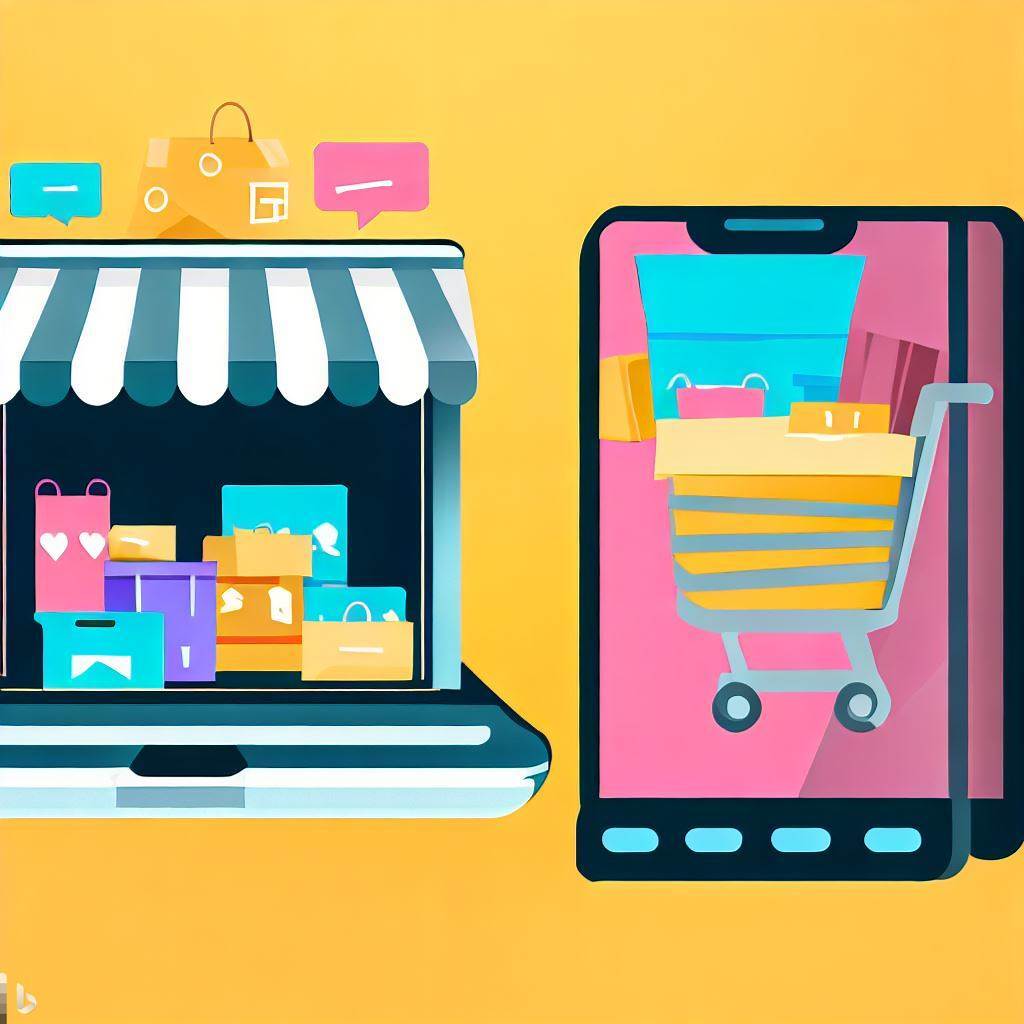
Local shops and ecommerce websites offer different advantages and disadvantages. Learn about the pros and cons of each shopping method to decide which is right for you. And discover how to combine the best of both worlds for a truly unique shopping experience.
Local Shops vs Ecommerce Websites: A Comparison
In the past, shopping was a very different experience. People would typically go to a local shop to buy the things they needed. However, in recent years, online shopping has become increasingly popular. Now, people can buy almost anything they want online, from clothes to electronics to groceries.
So, what are the pros and cons of each shopping method? Here is a comparison of local shops and ecommerce websites:
Local Shops
- Pros:
- Convenience: You can walk or drive to a local shop, so you don’t have to wait for shipping.
- Customer service: You can get help from a knowledgeable salesperson if you have any questions about a product.
- Instant gratification: You can take your purchase home with you right away.
- Supporting local businesses: Shopping at a local shop helps to support the local economy.
- Cons:
- Limited selection: Local shops may not have as wide of a selection of products as ecommerce websites.
- Higher prices: Local shops often have higher prices than ecommerce websites, due to the cost of rent and staffing.
- Hours of operation: Local shops may have limited hours of operation, which can be inconvenient if you work during the day or have other commitments.
Ecommerce Websites
- Pros:
- Wide selection: Ecommerce websites offer a wider selection of products than most local shops.
- Lower prices: Ecommerce websites often have lower prices than local shops, due to the lower overhead costs.
- Convenience: You can shop from the comfort of your own home, at any time of day or night.
- Free shipping: Many ecommerce websites offer free shipping on orders over a certain amount.
- Cons:
- Not instant gratification: You have to wait for your purchase to be shipped to you.
- Customer service: It can be difficult to get help from a customer service representative if you have any problems with your order.
- Can’t try before you buy: You can’t see or touch the product before you buy it, so you’re taking a risk that you won’t like it when it arrives.
Which is Right for You?
The best option for you will depend on your individual needs and preferences. If you’re looking for convenience and instant gratification, then a local shop may be a better choice. If you’re looking for a wider selection and lower prices, then an ecommerce website may be a better choice.
Ultimately, the best way to decide is to try both and see what you prefer. You may find that you prefer to shop at local shops for some things and online for others. There’s no right or wrong answer, it’s all about what works best for you.
Here are some additional factors to consider when making your decision:
- The product you’re buying: Some products are better suited for purchase online, while others are better suited for purchase in person. For example, if you’re buying a clothing item, you may want to try it on in person before you buy it. However, if you’re buying a book, you may be fine buying it online without seeing it first.
- Your budget: If you’re on a tight budget, you may want to consider shopping online for lower prices. However, if you’re willing to pay a premium for convenience, then a local shop may be a better option.
- Your time constraints: If you’re short on time, you may want to consider shopping online so you can avoid having to drive to a store. However, if you have the time, then shopping at a local shop can be a more enjoyable experience.
The Future of Shopping
It’s likely that both local shops and ecommerce websites will continue to exist in the future. However, the way we shop is likely to change. Ecommerce websites will continue to grow in popularity, but local shops will find ways to adapt and offer a unique shopping experience that can’t be replicated online.
For example, local shops can focus on providing excellent customer service, offering a wide selection of unique products, and creating a welcoming and enjoyable shopping environment. By doing these things, local shops can compete with ecommerce websites and continue to thrive in the years to come.